

- 14.8 km² masterplan for 100,000 residents in 19 neighbourhoods
- Freehold to all nationalities; the lowest entry price on freehold title in Oman
- Residency eligibility at 30% paid; family included above OMR 50,000
- First handovers at Hay Al Wafa from December 2026
Sultan Haitham City: the overview
Sultan Haitham City is the largest urban project in Oman’s history: a 14.8-square-kilometre planned city in the wilayat of Al Seeb on the western side of Muscat, master-planned by SOM for the Ministry of Housing and Urban Planning and designed for 100,000 residents in around 20,000 homes across 19 neighbourhoods. It is being built in four phases from 2024 to 2045, with the first phase running to 2030 and the first homes handing over from December 2026. Inaugurated in 2023, it is government-led: the state provides land, infrastructure and the rules, and licensed private developers build the neighbourhoods.
For international buyers it has changed the market in two ways. It opened a new, lower price band on freehold title, and under a September 2025 decision it allows buyers in its under-construction projects to apply for residency once 30% of the price is paid, with family included above OMR 50,000. This guide covers the masterplan, the neighbourhoods and their developers, the rule in detail, prices and handovers, and how to buy.
The masterplan
- Area
- 14.8 square kilometres
- Population
- 100,000 residents planned
- Homes
- Around 20,000 across 19 neighbourhoods
- Phases
- Four, 2024 to 2045; phase one to 2030
- Planner
- SOM for the Ministry of Housing and Urban Planning
- Location
- Al Seeb, western Muscat, near the expressway corridor
- Amenities
- Schools, health centres, mosques, central park and wadi, retail and civic districts
- Ownership
- Freehold, all nationalities
- Residency
- Eligible at 30% paid; family above OMR 50,000
The plan is organised around a central park along the wadi, with neighbourhoods designed so that schools, mosques and daily shopping are a walk away. Transport is planned around walkable districts and local transit rather than highways through the middle. Public-sector workers are being relocated into the city, which seeds demand and services from the start.
Neighbourhoods and developers
Several developers are building under licence inside the city, all under the same freehold and residency framework. Status and entry prices are as published in mid-2026 and move by release.
| Neighbourhood | Developer | First handover | Published entry price | Character |
|---|---|---|---|---|
| Hay Al Wafa | Al Abrar Real Estate | From December 2026 | About OMR 55,000 | First to hand over; apartments, townhouses, villas; 1,800 homes |
| Wadi Zaha | Al Ahly Sabbour | 2028 | OMR 43,000 to 62,000 by release | Park-front; studios to villas; 90 million rial investment |
| Yenaier (January Residences) | Omani developer | 2027 | About OMR 46,000 | Among the lowest entry prices in the city |
| Sarooj Oasis | Omani developer | 2028 | About OMR 49,000 | Apartments and townhouses |
| Hay Al Ahlam | Villa-led neighbourhood | 2027 | About OMR 182,000 | Villas; higher entry |
| Jood | Talaat Moustafa Group | Around 2030 | About OMR 61,500 | Large masterplan; later delivery |
The residency rule in detail
Under the ministerial decision of September 2025 covering the city’s under-construction projects, a foreign buyer becomes eligible to apply for Omani residency once 30% of the purchase price has been paid. Where the property is priced at OMR 50,000 or below, the residency covers the buyer only; above OMR 50,000 it extends to spouse and first-degree relatives. The permit is renewable, tied to ownership and issued without a sponsor under ROP Decision 87/2026, which also recognises units whose registration is not yet complete. Reaching 30% creates eligibility to apply, not an automatic grant, and the permit lapses on sale.
The practical consequences: choose a home above OMR 50,000 if the family needs residency; know the date 30% falls due on the payment plan; and treat the application as a step with documents and timing of its own. Larger holdings of OMR 250,000 and OMR 500,000 reach the Investor Residency tiers in the normal way. Full detail on the Hay Al Wafa page and in residency by property.
Prices and payment plans
Sultan Haitham City is the lowest freehold entry point in Oman for a foreign buyer. Published entry prices run from the mid-OMR 40,000s for studios to the mid-50,000s for the first family-sized units, with townhouses from around OMR 55,000 upward and villas from the low six figures. Plans typically open at 15% to 20% on booking with instalments through construction into escrow, which puts the 30% residency threshold one or two instalments away. Prices move by release and we send the current list for each neighbourhood on request. See off-plan property in Oman.
Location and connectivity
The city sits inland in Al Seeb, alongside the expressway corridor on the western side of Muscat. Muscat International Airport and the Al Mouj waterfront are each within roughly half an hour by road; Sultan Qaboos University and its hospital are close; the Barka coast lies to the west and the Khazaen logistics zone nearby. For a family arriving from the Gulf or South Asia, the home is minutes from the airport and in the half of the city where the international schools are. See property in Muscat.
Who is buying, and why
Three groups dominate: Omani families, who have priority in parts of the city and form its permanent base; expatriates already in Oman who want to own near their work; and overseas buyers from the Gulf, India and Pakistan for whom the 30% rule and the entry price make a first Oman purchase possible. Investors are present but the market is end-user led, which supports values once handovers begin.
Rental and resale outlook
There is no rental or resale market yet because nothing has handed over; both form from December 2026 as Hay Al Wafa delivers and continue as the other neighbourhoods follow in 2027 and 2028. The tenant pool is being created alongside the housing: relocating public-sector staff, families moving west for newer schools, and professionals at the airport, the university and the industrial zones. We do not publish yields for unbuilt neighbourhoods; we provide comparable rents in Al Seeb and Al Khoudh. See rental and leasing and market trends.
How to buy in Sultan Haitham City
- Choose the neighbourhoodHandover date, developer, position and price band; we send a side-by-side.
- Pick a unit above the OMR 50,000 line if family residency mattersWe mark the line on every shortlist.
- Reserve into escrowReservation form, passport copy and booking payment; the sale agreement follows.
- Pay to 30% and applyOn the payment certificate, apply for the Owner Visa and add the family.
- Handover and titleTitle registered on completion; the permit continues while you own.
Overseas buyers complete every step remotely; see buying from abroad.
What to check before you reserve
- Freehold designation for the specific plot in the sale agreement
- Unit price against the OMR 50,000 family line
- The date 30% is reached on the plan, and the payment certificate process
- Escrow account verified; developer licence and construction programme
- Contractual completion date, grace period and remedies
- Residency wording described as eligibility, never a guarantee
Projects inside the city
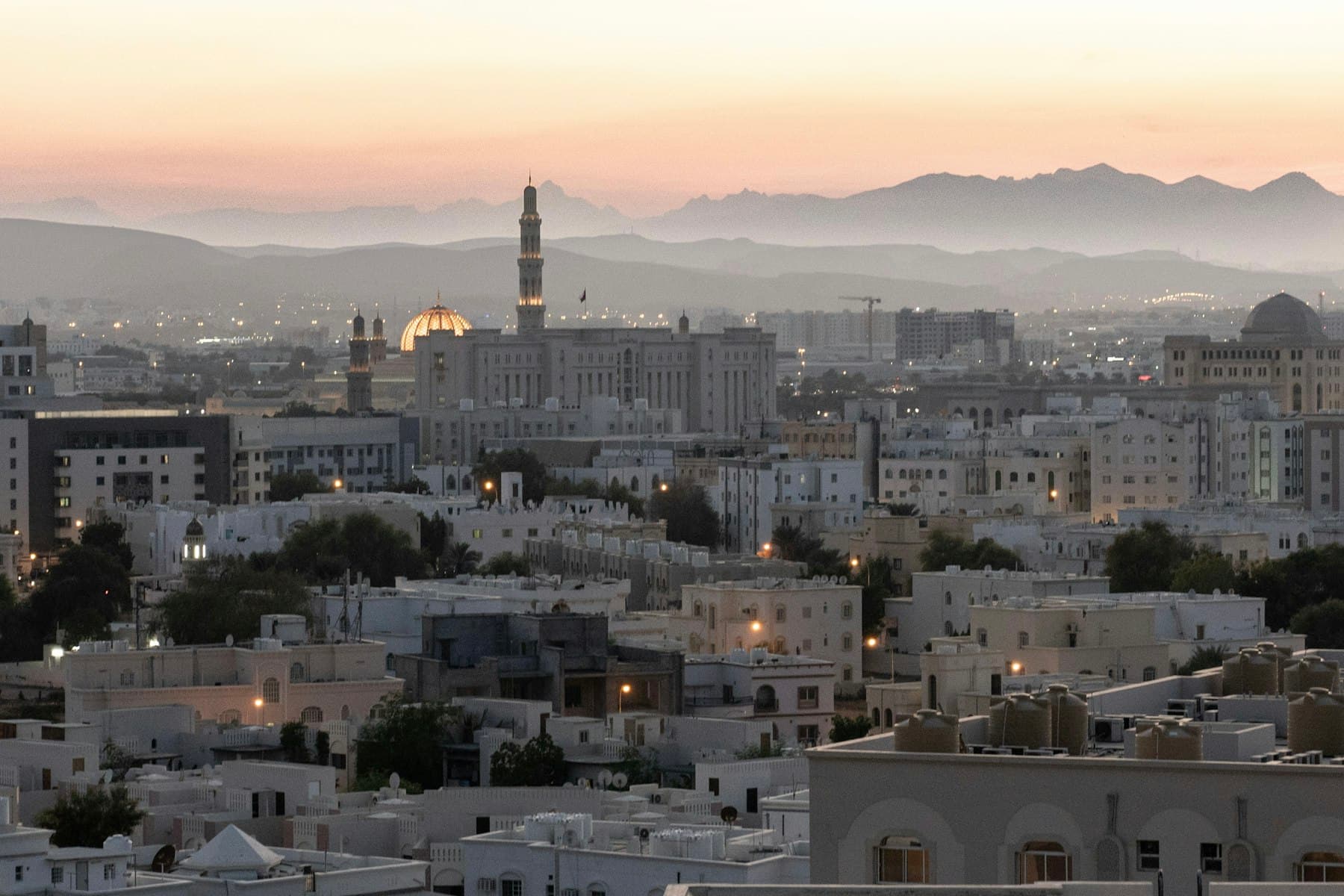
Hay Al Wafa, Sultan Haitham City
The first neighbourhood of Sultan Haitham City: freehold homes from OMR 55,000, handover from December 2026, and…
Explore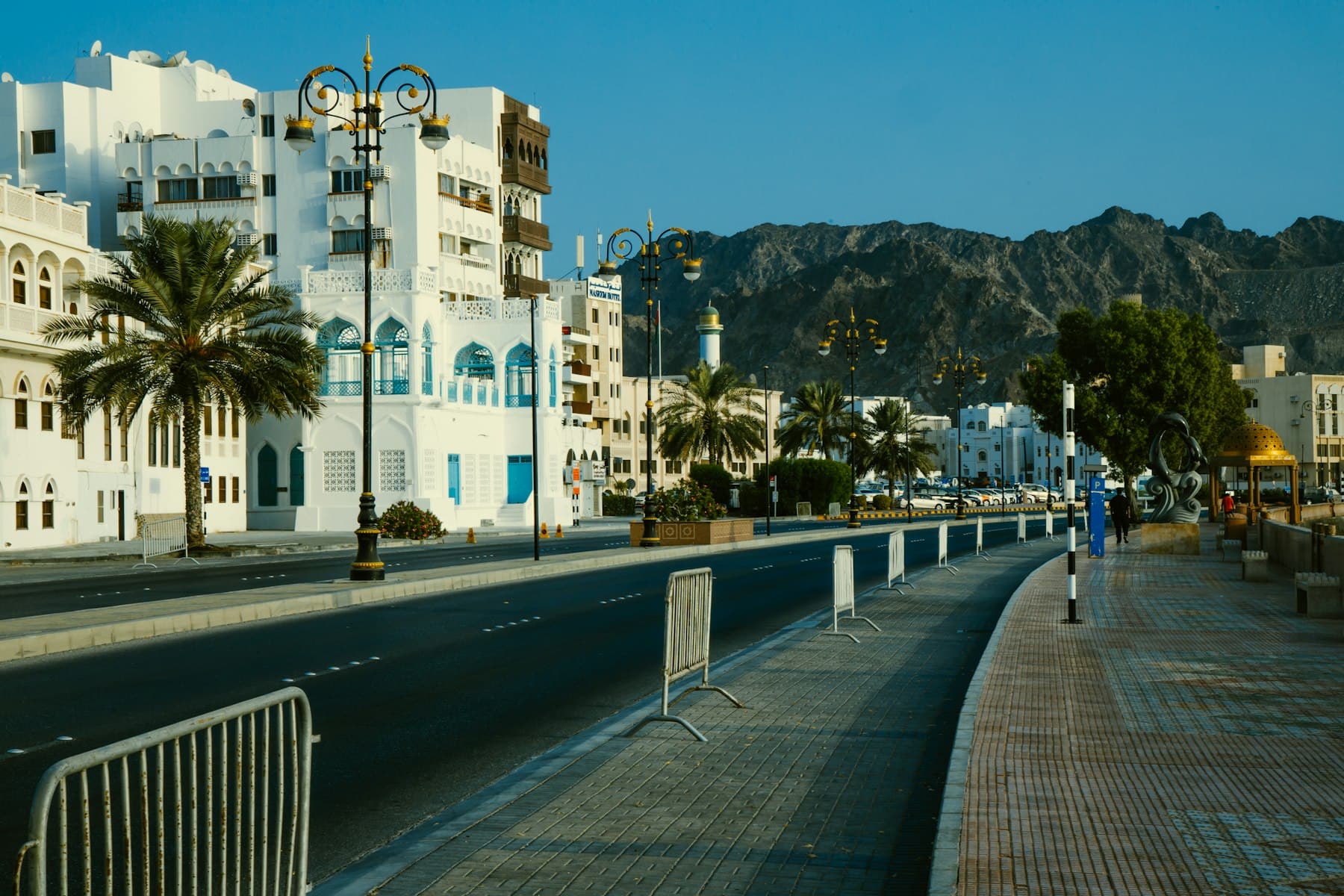
Off-Plan Property in Oman
New developments bought during construction, with staged payments into escrow, lower entry prices and, in Sultan…
ExploreNew Launches in Oman
First access to new releases across Muscat, Sultan Haitham City, Yiti and the coast: how launches work, what is…
Explore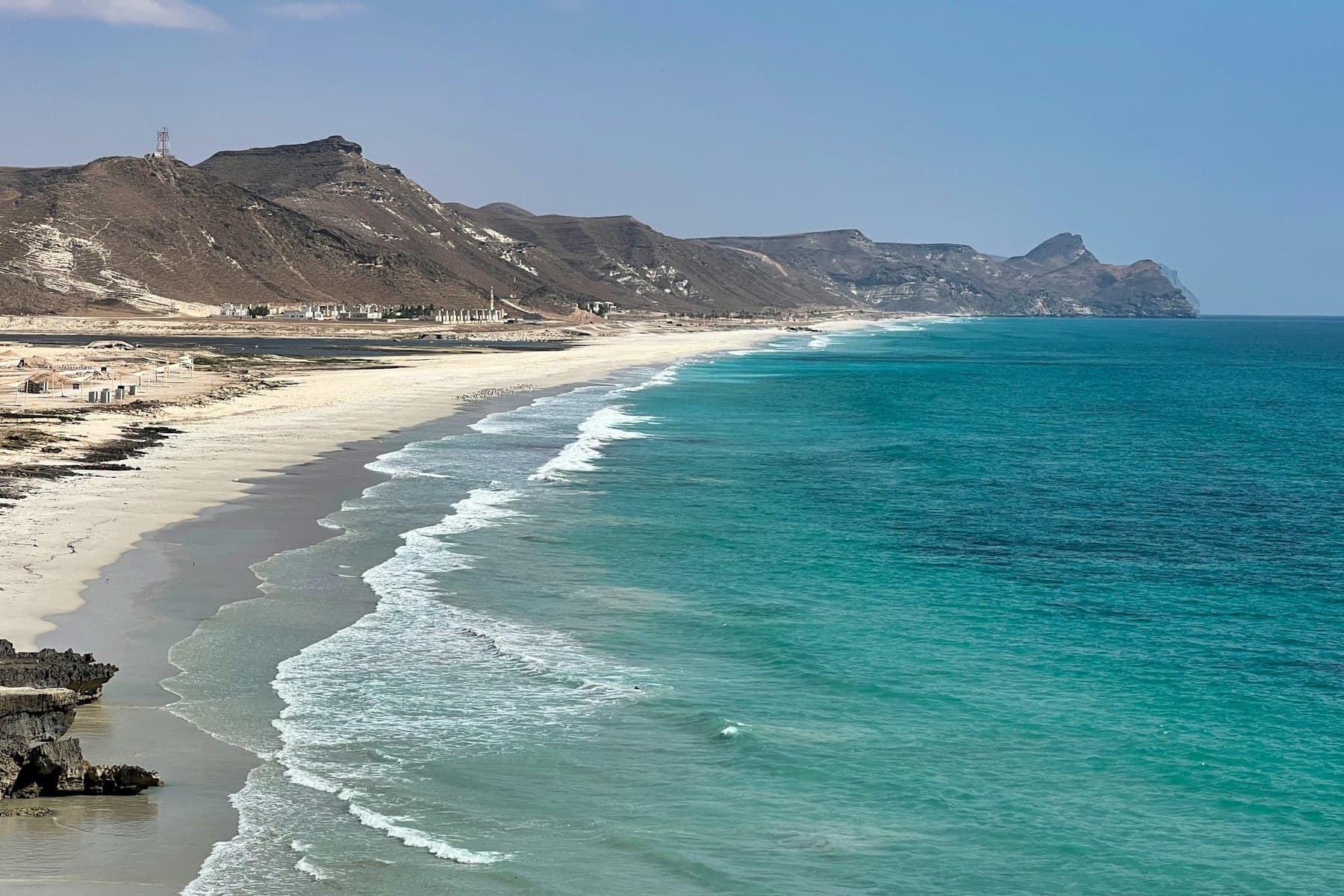
Apartments for Sale in Oman
Waterfront, city and resort apartments in Muscat’s freehold communities and the new districts of Sultan Haitham City,…
ExploreFrequently asked questions
Where is Sultan Haitham City?
Can foreigners buy in Sultan Haitham City?
How does the 30% residency rule work?
When do the first homes hand over?
How much does property cost in Sultan Haitham City?
Which neighbourhood is best?
Is the city finished?
Can I rent out a home there?
Page reviewed 2 November 2026. Availability, prices, payment terms and residency rules are confirmed in writing before you commit and may change.