

- Retirement visa: five years, renewable, on a qualifying fixed income
- Owner Visa through a registered home, sponsor-free
- No personal income tax on most pensions until 2028, and 5% above OMR 42,000 after
- Resort and coastal communities with management and healthcare nearby
Why retirees consider Oman
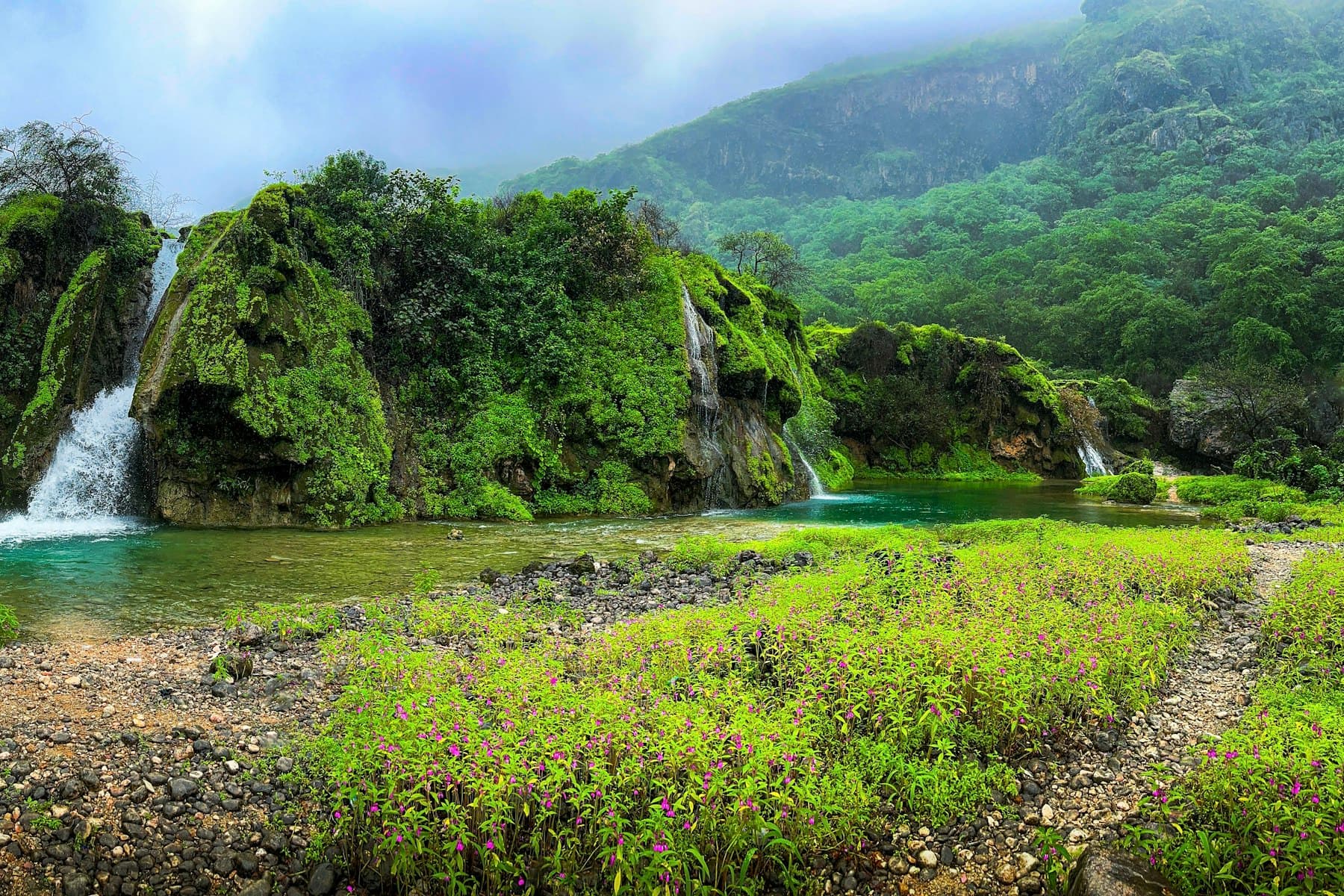
Oman offers retirees what the Gulf hubs cannot: calm. It is one of the safest countries in the world, low-rise and courteous, with a coast that runs for hundreds of kilometres, mountains an hour from the capital and, in Dhofar, a green monsoon summer. Private healthcare is good and close to the communities foreigners buy in, English is spoken everywhere that matters, and the cost of living sits well below the UAE. Since 2025 the residency side has caught up: a retirement visa on fixed income and a sponsor-free Owner Visa through a home, neither needing an employer.
This page covers the two routes, the tax position on pensions and property, healthcare, the climate calendar, the communities that suit retirees, and the practicalities of running a home from abroad for part of the year.
Two routes to residency
| Retirement visa | Owner Visa | |
|---|---|---|
| Basis | Fixed monthly income at or above the published threshold | A residential unit registered in your name |
| Term | Five years, renewable | Renewable while you own |
| Who | Retiree and spouse | Owner, spouse, first-degree relatives |
| Sponsor | None | None (ROP Decision 87/2026) |
| Property required | No | Yes |
| Suits | Retirees renting or buying later | Retirees who buy a home |
| Upgrade | Investor Residency at OMR 250,000 or OMR 500,000 if a larger home is bought | Same |
Many retirees use both in sequence: arrive on the retirement visa, buy, then hold the Owner Visa or an Investor tier. See the residency overview and residency by property.
Tax on pensions and property
Oman levies no personal income tax today, so pensions and investment income are untaxed in Oman until the personal income tax takes effect in January 2028, after which 5% applies to income above OMR 42,000 a year; many retirees fall below the threshold. There is no inheritance tax, no annual property tax and no capital gains tax on personal property under current law. Your home country may tax your pension at source or on residence; treaties with Oman and your adviser decide. See tax and compliance guidance.
Healthcare
Muscat has a strong public hospital system and several private hospitals and clinics that expatriates use with private insurance, concentrated along the expressway corridor within reach of Al Mouj, Muscat Hills and the new city; Salalah has its own hospitals. Residents access public care on published terms and private care by insurance or payment. We recommend retirees arrange international or regional health insurance before applying and can introduce brokers.
Climate and the calendar
October to April is the season: warm days, cool evenings and the sea at its best. May to September is hot and humid on the northern coast, when many owners travel or move to Salalah, where the khareef monsoon from June to September brings mist, green hills and temperatures twenty degrees below Muscat. Retirees who want to stay in Oman year-round often pair a northern home with the Dhofar summer; see Hawana Salalah.
Communities that suit retirees
Jebel Sifah
A resort town 45 minutes from Muscat with marina, golf, hotels and a rental programme for the months you are away; villas and apartments; a growing year-round community.
Hawana Salalah
Beach and lagoon living in the monsoon south, lower prices per square metre, a summer season and its own airport.
Muscat Bay
Hotel-led, lock-and-leave, closest to the city of the resorts; branded residences with full service.
Al Mouj
For retirees who want the city, the airport and the promenade on foot, with healthcare and services minutes away.
Cost of living
Rents, dining, domestic help, utilities and services in Muscat and Salalah sit well below Dubai, and service charges in the communities are predictable. A couple living in a resort community spends materially less than in the UAE or southern Europe for a comparable standard, and the rial’s dollar peg keeps the numbers stable for pension income in dollars or dollar-linked currencies. See fees and ongoing costs.
Running a home for part of the year
Most retirees are away for the summer or for family. A managing agent inspects, maintains and pays bills while you are gone, and the resort programmes let your home earn in the months you are not there. Our property management and rental and leasing services are built for exactly this pattern.
Practical steps
- Decide the routeRetirement visa on income, or Owner Visa through a purchase, or both in sequence.
- Arrange insurance and documentsHealth cover, attested marriage certificate if a spouse is included, income evidence or title.
- Choose the communitySpend a season in two before buying; many clients rent first.
- Buy and registerCompleted homes give the fastest Owner Visa; see ready-to-move property.
- Apply and settlePermit, bank account, healthcare registration and a managing agent for the months away.
Communities retirees choose
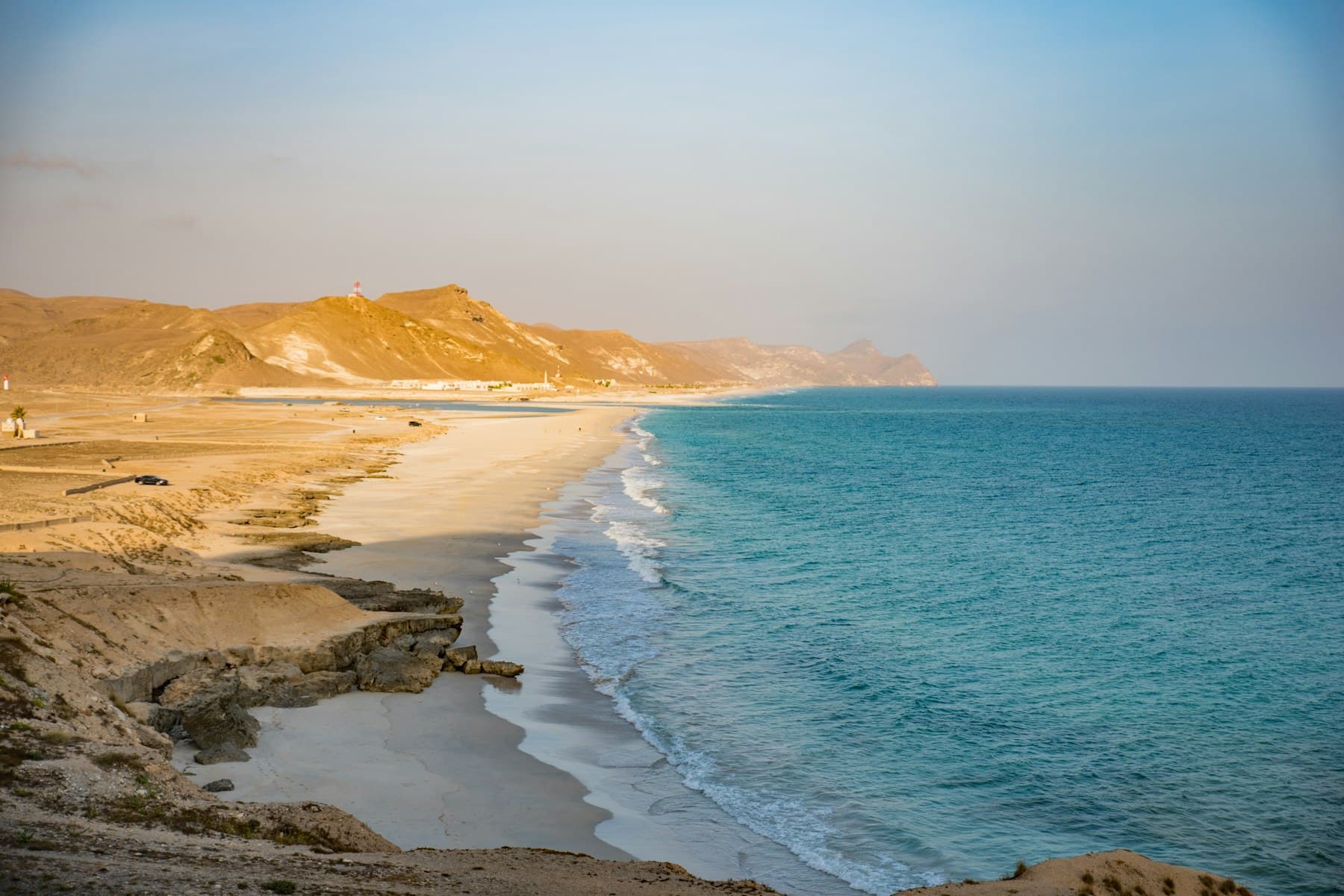
Jebel Sifah
A beach-and-marina resort town on the coast south of Muscat, where the Hajar mountains meet the sea: villas,…
Explore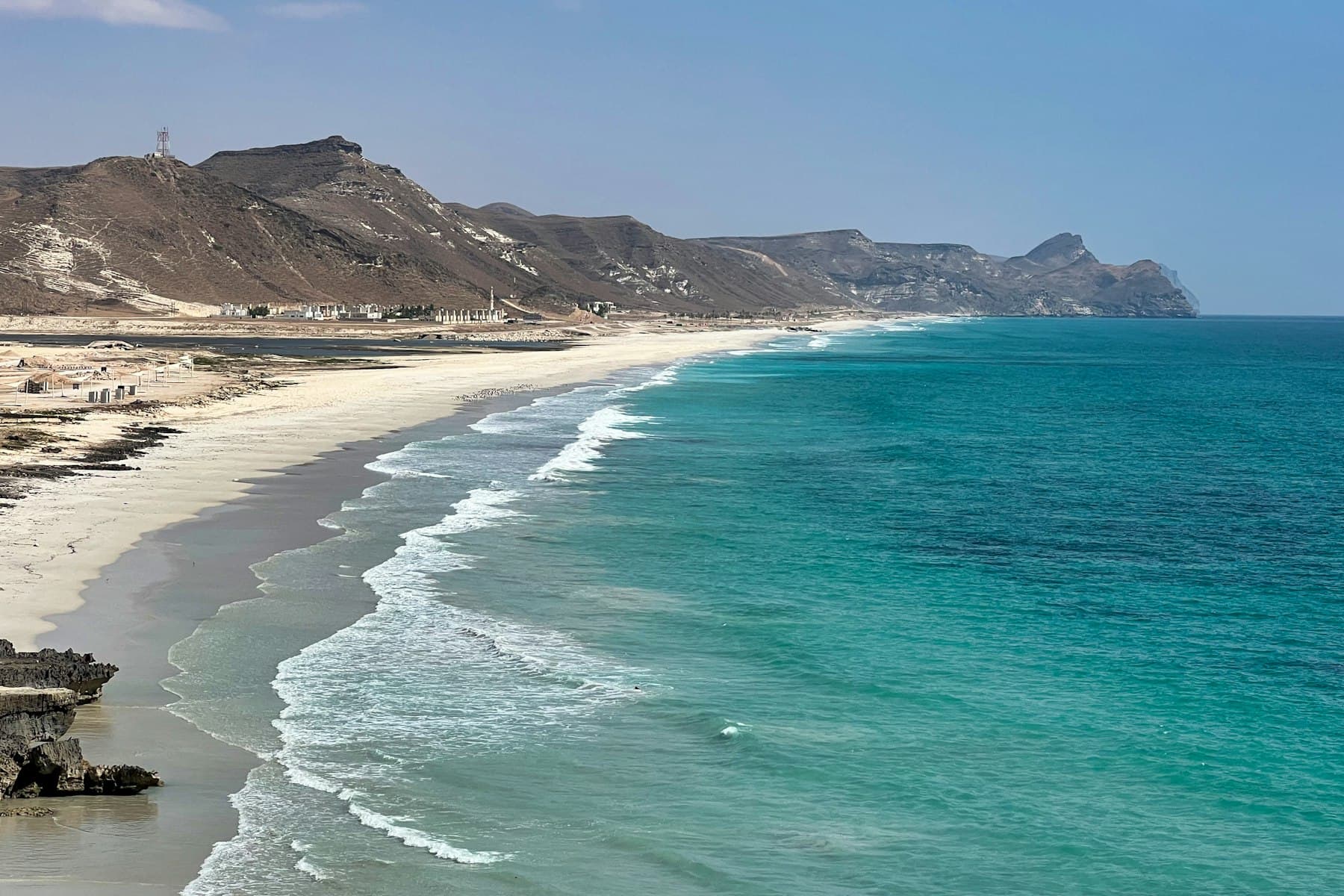
Hawana Salalah
A beachfront resort community in Dhofar, southern Oman, with a marina, lagoons, hotels and homes on a long sandy…
Explore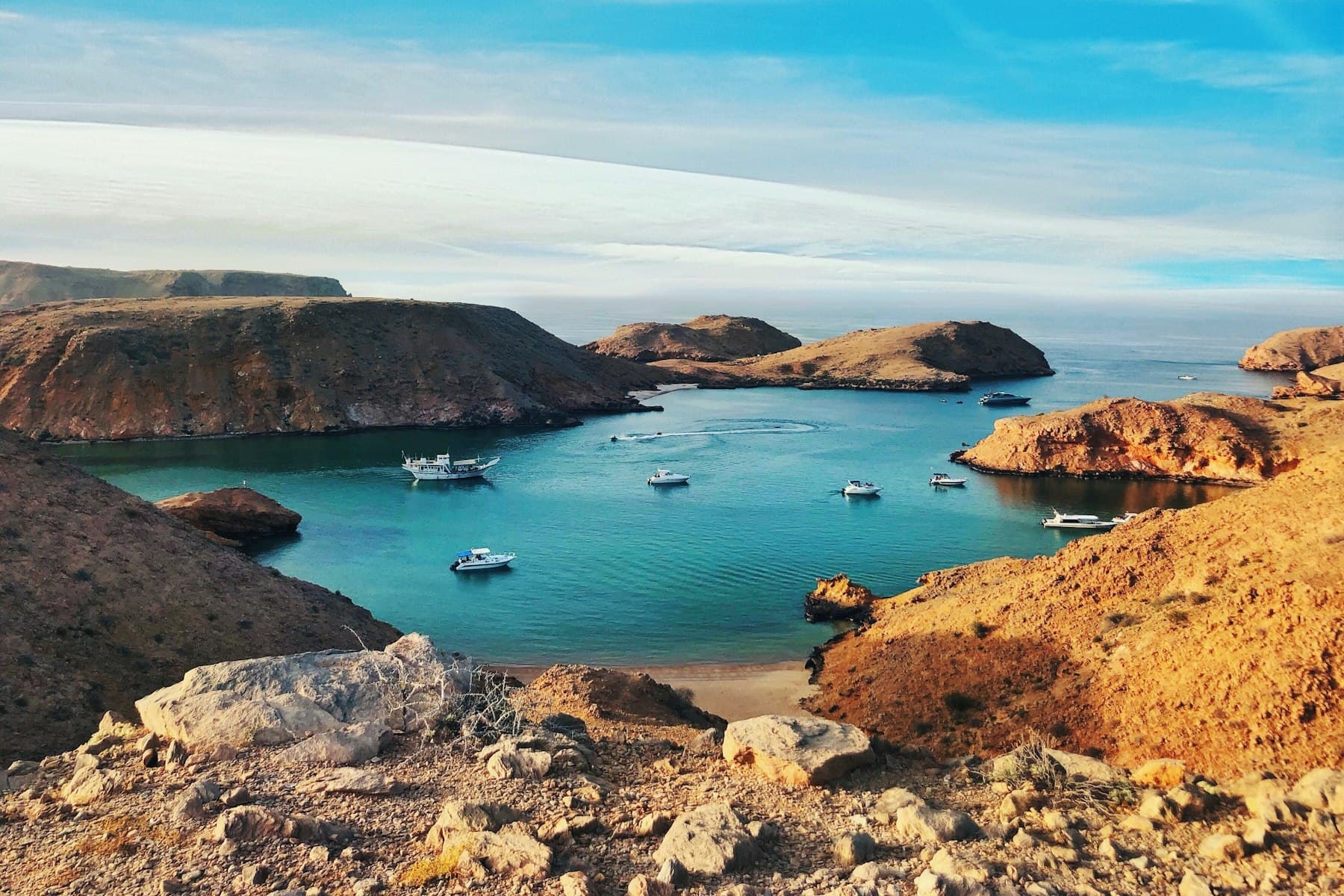
Muscat Bay
A resort village set between the mountains and the sea on the coast south-east of Muscat, with hotel-branded…
Explore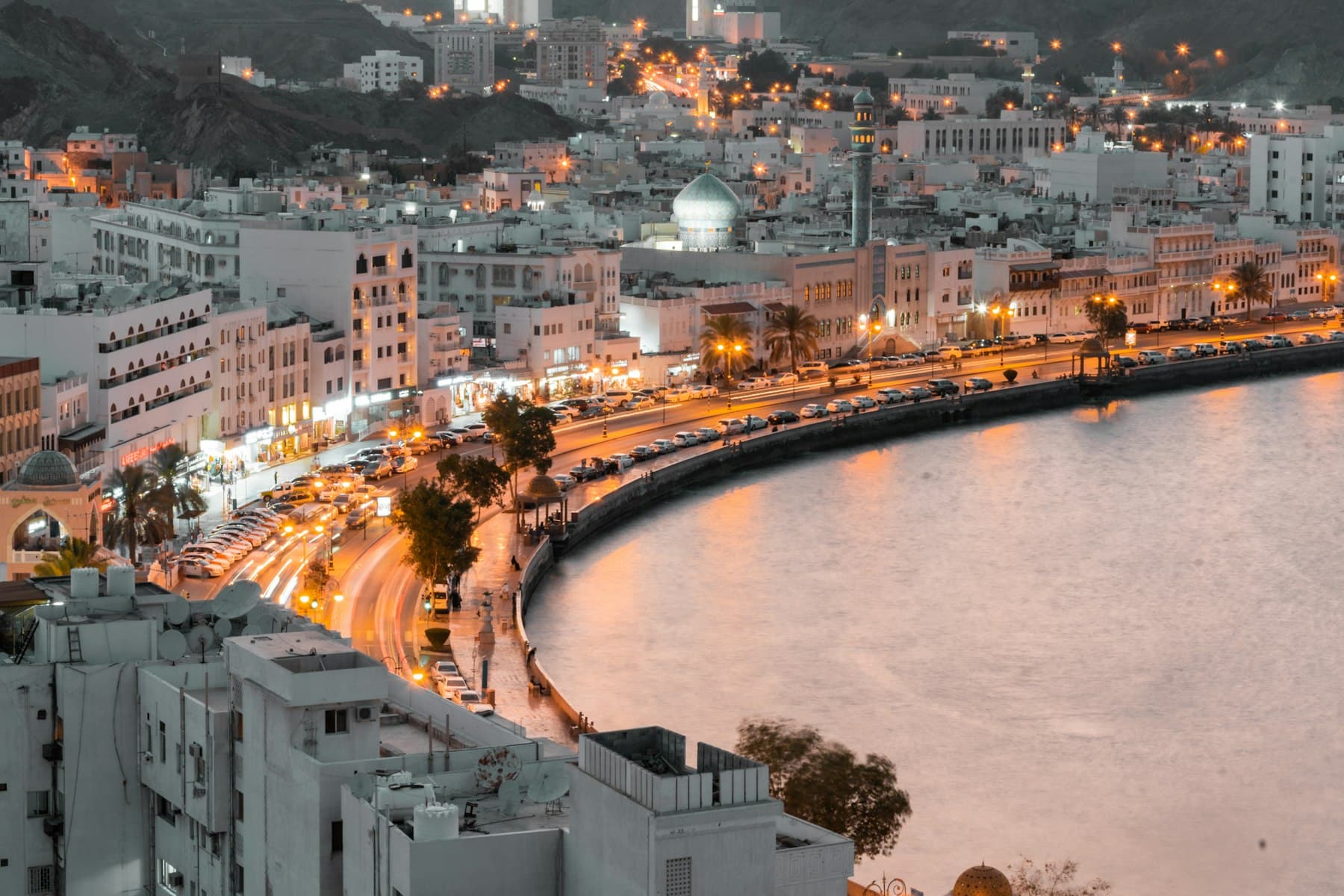
Al Mouj Muscat
Oman’s most established freehold community: a marina, a links golf course, beaches, cafés and a walkable waterfront,…
ExploreFrequently asked questions
Is there a retirement visa in Oman?
Can I retire in Oman by buying a home?
Is my pension taxed in Oman?
Is healthcare good?
Which community is best for retirement?
How hot is the summer?
Can I rent first?
Can my spouse be included?
Page reviewed 2 November 2026. Availability, prices, payment terms and residency rules are confirmed in writing before you commit and may change.